Rehabilitation technology includes devices and services that help people perform daily activities, communicate, move, and participate more fully in work and community life. Accessing it affordably means looking beyond the retail price: insurance coverage, public programs, equipment loans, reuse, and professional assessments can all reduce costs. The need is substantial: the World Health Organization estimates that more than 2.5 billion people need one or more assistive products, and that number could rise to 3.5 billion by 2050. Below, we explain what rehabilitation technology includes, how to find lower-cost devices and funding, and how to choose equipment that is safe and useful.
Rehabilitation technology access includes devices, services, and support
Rehabilitation technology is a broad term for assistive products and related services that support functioning, independence, and participation. The World Health Organization describes assistive technology as products and systems that maintain or improve an individual’s functioning and independence. Rehabilitation technology can include mobility aids, communication devices, hearing and vision supports, adaptive equipment, and digital tools used during rehabilitation.
The distinction matters when budgeting: the device is only one part of access. Assessment, fitting, training, repairs, replacement parts, and follow-up may affect both cost and whether a product works well. WHO reports that access remains unequal, particularly in low- and middle-income countries, where access to some assistive products can be as low as 3% of need. In the United States, the Administration for Community Living’s Assistive Technology Act programs help people learn about devices, try them, borrow them, and explore financing.
Mobility and positioning equipment
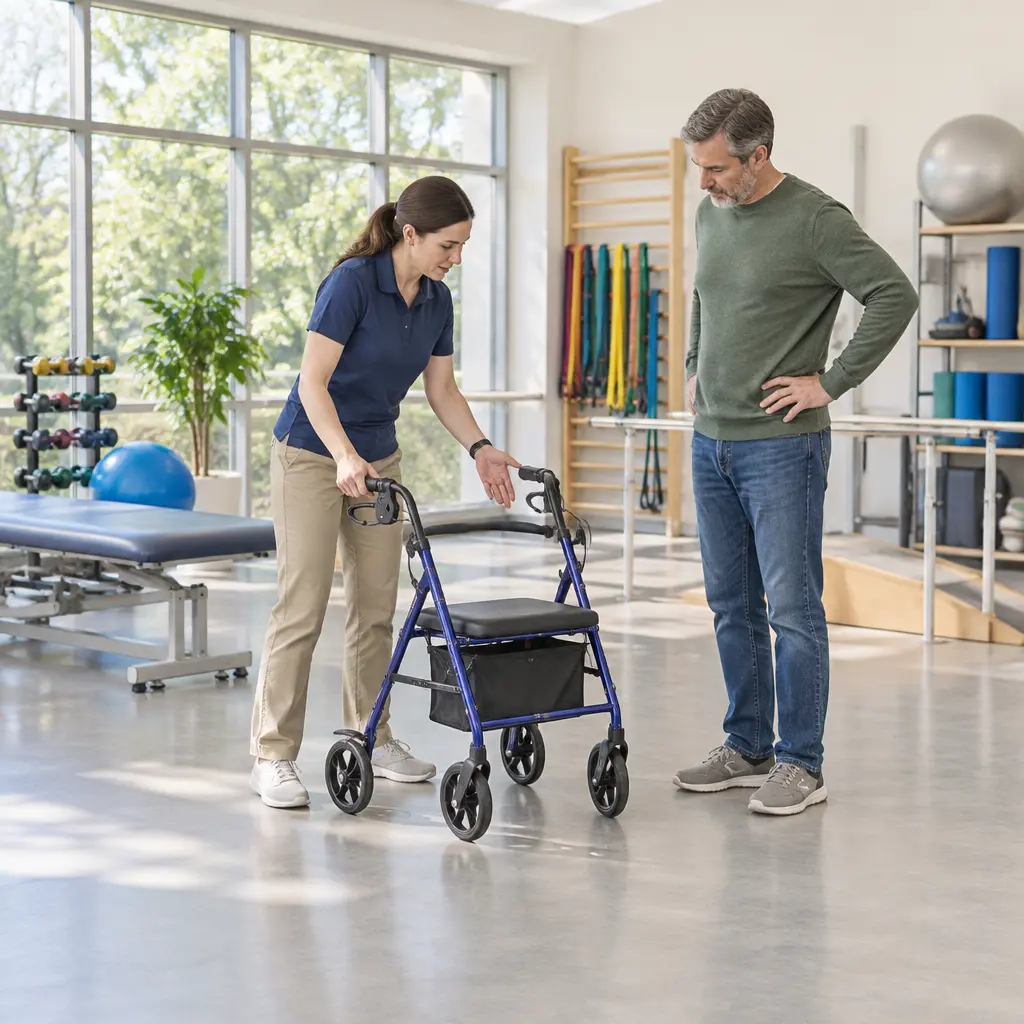
Mobility and positioning technology includes canes, walkers, wheelchairs, seating systems, transfer aids, and accessible vehicle adaptations. A lower-cost option may be suitable when it matches the user’s daily environments and physical needs, but a poorly fitted device can create discomfort or safety risks. Ask a physical or occupational therapist, rehabilitation engineer, or qualified supplier about fit, maintenance, and whether a loan or demonstration is available before purchasing.
Communication, sensory, and daily-living aids
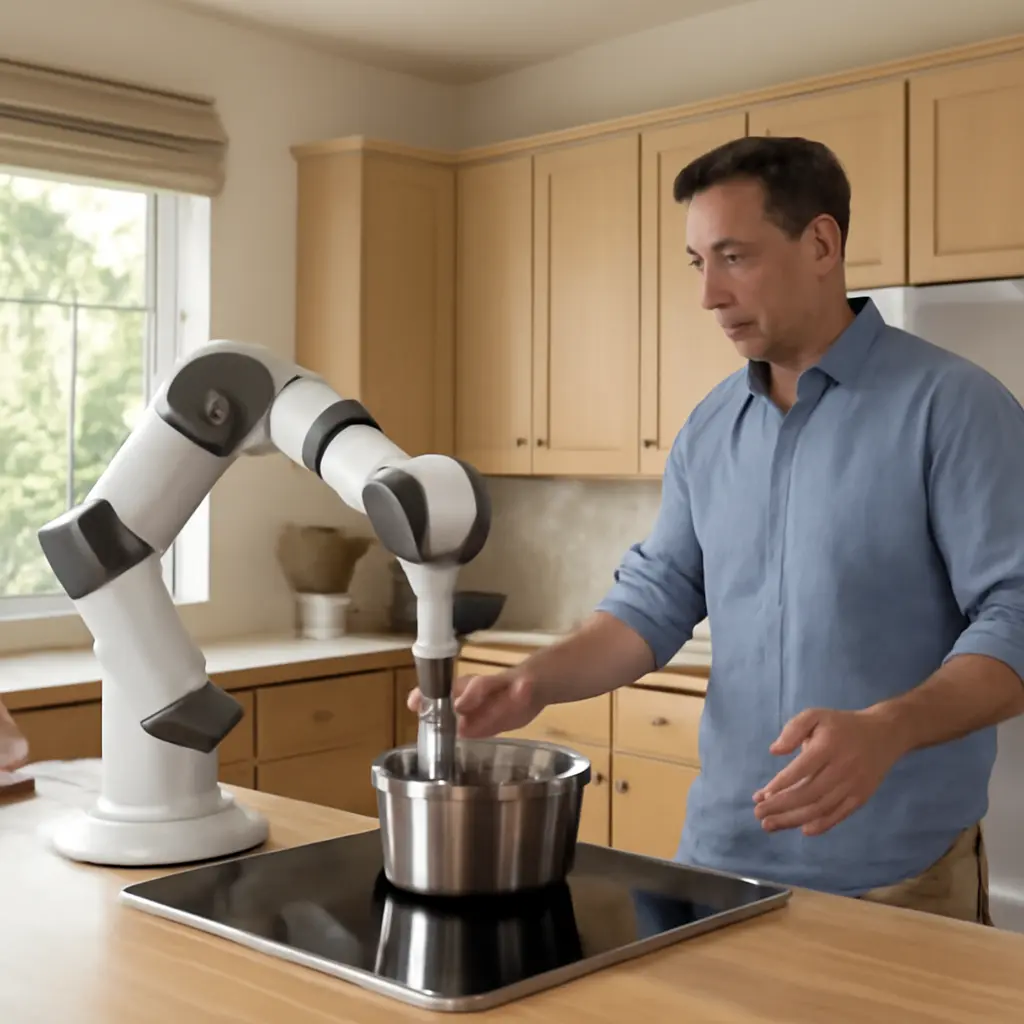
These products support communication, hearing, vision, learning, and everyday tasks. Examples include speech-generating devices, captioning tools, hearing aids, screen readers, magnifiers, adapted utensils, and dressing aids. Some needs can be met by built-in accessibility features on phones and computers, while others call for specialized equipment. A clinician or assistive technology specialist can help identify the least costly option that meets the person’s functional goals.
Funding rehabilitation technology starts with coverage and eligibility
Funding routes vary by device, medical need, age, location, and insurance plan. Start by requesting a written assessment and itemized quote, then ask the provider which funding sources apply and what documentation is required. Coverage rules can be specific: Medicare, for example, may cover certain durable medical equipment when it is medically necessary, prescribed by an authorized clinician, and obtained through the appropriate supplier. Coverage is not automatic, and requirements differ by product and circumstance.
Insurance, Medicare, and Medicaid
Private insurance, Medicare, and Medicaid may help pay for eligible equipment, but plans can impose prior authorization, supplier, medical-necessity, or replacement restrictions. Medicare’s durable medical equipment benefit generally applies to equipment used in the home and prescribed for a medical reason; it does not mean every assistive or rehabilitation product is covered. Medicaid benefits and eligibility vary by state, and some programs may cover services or equipment beyond standard Medicare coverage. Confirm benefits in writing before ordering, and ask about appeals if a request is denied.
Vocational rehabilitation and education programs
State vocational rehabilitation agencies may fund assistive technology when it is needed to help an eligible person prepare for, obtain, or retain employment. Students may also be able to access devices through school-based evaluations and individualized education planning, depending on their needs and applicable rules. These pathways are goal-specific, so explain how the technology supports employment, learning, or participation and coordinate with the agency or school team before buying.
Grants, nonprofit assistance, and tax considerations
Nonprofits, charitable foundations, community organizations, and disease-specific groups sometimes offer grants or equipment assistance. Availability and eligibility vary, and grants may cover only certain products or expenses. Ask a hospital social worker, independent living center, disability organization, or state assistive technology program for local leads. Some medical expenses may qualify for tax treatment under applicable rules; consult current IRS guidance or a tax professional rather than assuming a purchase is deductible.
Reuse and trials can lower rehabilitation technology costs
When new equipment is unaffordable or an uncertain fit, borrowing, demonstrations, and refurbished products can reduce risk and expense. The Assistive Technology Act programs in every U.S. state and territory provide services such as device demonstrations, short-term loans, reuse, and financing information. These services can help people compare options before committing to a purchase.
Device lending and demonstrations
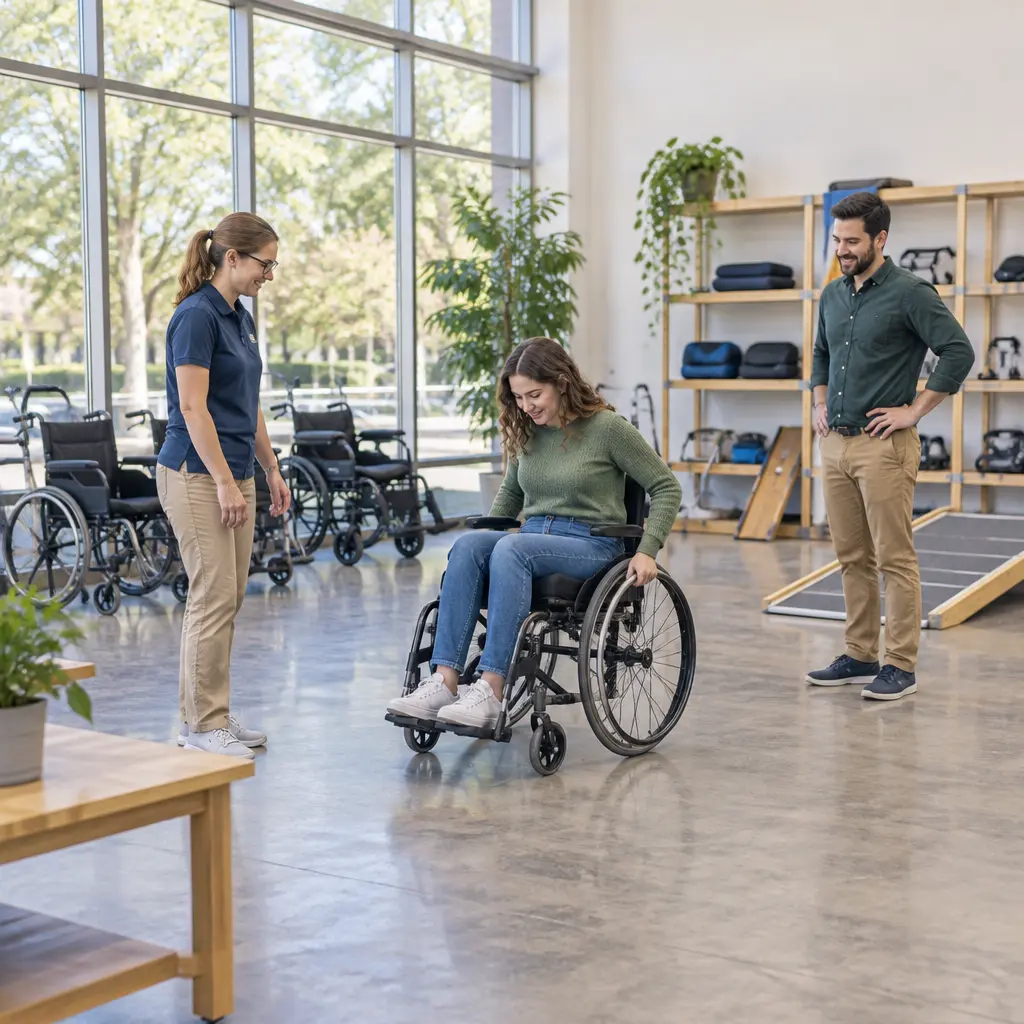
A short-term loan lets a person test equipment in real settings, such as at home, school, or work. Demonstrations allow side-by-side comparison, which can clarify whether a feature is worth the added cost. Contact your state or territory assistive technology program and ask about loan periods, availability, eligibility, cleaning procedures, and whether a clinician’s recommendation is needed.
Refurbished and reused equipment
Reuse programs collect, inspect, repair, and redistribute donated equipment, sometimes at little or no cost. Before accepting a used product, check its condition, fit, safety features, battery or charger, parts availability, and cleaning history. For complex mobility or communication devices, seek professional assessment and confirm that the equipment can be adjusted to the user rather than relying on price alone.
Open-source and mainstream technology
Some needs can be met with free or low-cost software, accessible settings, or mainstream products. Built-in speech-to-text, screen magnification, voice control, and captioning may provide useful starting points. For specialized communication or access needs, however, a general-purpose app may not replace a dedicated device or professional support. Test accessibility, privacy, reliability, and compatibility before depending on a low-cost tool for essential tasks.
A careful purchasing plan protects both safety and budget
The cheapest purchase is not always the least expensive over time. A device that does not fit, breaks frequently, or cannot be repaired can lead to additional costs and lost independence. A practical plan combines a clear functional goal, professional input when appropriate, a comparison of total costs, and a review of available support.
Write down the goal and compare total cost
Describe the task the technology should make easier—for example, moving safely between rooms, communicating in class, or managing medication. Compare the purchase price with fitting, training, delivery, maintenance, supplies, software, and likely replacement costs. Ask suppliers for written estimates and clarify warranty terms, return windows, repair arrangements, and whether the product can be adjusted as needs change.
Use qualified assessment and appeal decisions
An occupational therapist, physical therapist, speech-language pathologist, audiologist, rehabilitation engineer, or other qualified professional may help match a product to the person and environment. If an insurer or public program denies funding, request the reason in writing, check deadlines, and ask the clinician or case manager about supporting documentation or an appeal. A strong request explains functional need, alternatives considered, and why the recommended device is appropriate.
Plan for maintenance, training, and changing needs
Budget for batteries, consumables, software updates, repairs, and instruction. Confirm who will provide technical support and how quickly repairs can be completed. If the user’s abilities or environment may change, ask whether the device can be reconfigured or whether a loan program can provide a temporary replacement during repairs.
Conclusion: affordable rehabilitation technology expands participation
Affordable access depends on treating rehabilitation technology as a combination of products, professional support, and funding—not simply a one-time purchase. Mobility, communication, sensory, and daily-living tools may be supported through insurance, public programs, vocational rehabilitation, grants, device loans, reuse, or accessible mainstream technology. Begin with a functional goal, seek an assessment when needed, compare total costs, and verify coverage before buying. To take a next step, contact your state or territory assistive technology program, an independent living center, or a qualified rehabilitation professional and ask about demonstrations, short-term loans, and local funding options.
Sources: World Health Organization, Assistive technology, https://www.who.int/news-room/fact-sheets/detail/assistive-technology; World Health Organization and UNICEF, Global report on assistive technology, https://www.who.int/publications/i/item/9789240049451; Administration for Community Living, Assistive Technology Act Programs, https://acl.gov/programs/assistive-technology/assistive-technology-act-programs; Centers for Medicare & Medicaid Services, Durable Medical Equipment (DME) coverage, https://www.medicare.gov/coverage/durable-medical-equipment-dme-coverage; U.S. Department of Education, Individuals with Disabilities Education Act, https://sites.ed.gov/idea/; Internal Revenue Service, Publication 502: Medical and Dental Expenses, https://www.irs.gov/publications/p502.